In 2026, “digital marketer” no longer just means someone who runs ads or writes posts—it means a hybrid strategist who understands human behavior, data, and AI tools at the same time. If you want to stand out and actually grow in this field, you need to learn how to use AI as a real partner, not just a shortcut. Here’s a practical guide to becoming a successful digital marketer in 2026 with AI.
1. Shift from “Doing Everything” to “Orchestrating AI”
The biggest change in 2026 is that routine tasks are mostly automated. Copywriting, basic design, performance tracking, and even reporting are powered by AI‑assisted tools.
To succeed:
-
Let AI handle repetitive work (drafts, A/B test ideas, basic Google Ads/Meta setups).
-
Focus your time on strategy, testing, and optimizing—what AI can’t do well yet.
Instead of asking “How do I learn Facebook Ads?” ask “How do I use AI + Facebook Ads to test 10 ideas faster than others?”
2. Master Prompt‑Driven Creativity
AI is only as good as your prompts. In 2026, the best marketers are prompt‑writers who can steer AI to produce data‑backed, audience‑focused content.
Train yourself to:
-
Write specific prompts (include: target audience, platform, tone, length, and KPIs).
Example:
“Write 3 Meta ad headlines for Indian students aged 18–22 interested in learning digital marketing, in Hindi‑English mix, under 30 characters, focused on earning money from home.” -
Test and refine outputs (keep what converts, discard what doesn’t).
-
Combine AI ideas with your own experience and real‑world feedback.
This turns AI from a “magic box” into a repeatable creative engine.
3. Use AI as a Data‑Driven Brain
AI in 2026 can process huge amounts of data very quickly. Successful marketers use AI to:
-
Analyze performance across Google Ads, Meta, Instagram, and email in one view.
-
Spot trends: “Which ad angle drove the lowest CPM?” or “Which blog headline increased time‑on‑page?”
-
Suggest optimizations: “Try this hook in the first 3 seconds of your reel” or “Change this CTA word.”
-
Connect your analytics tools (Google Analytics, Meta, etc.) with AI dashboards or assistants.
-
Ask AI to explain patterns, not just show numbers:
“Why did conversions drop last week?” or “Which content type performed best for students in India?”
4. Build an AI‑Assisted Content Ecosystem
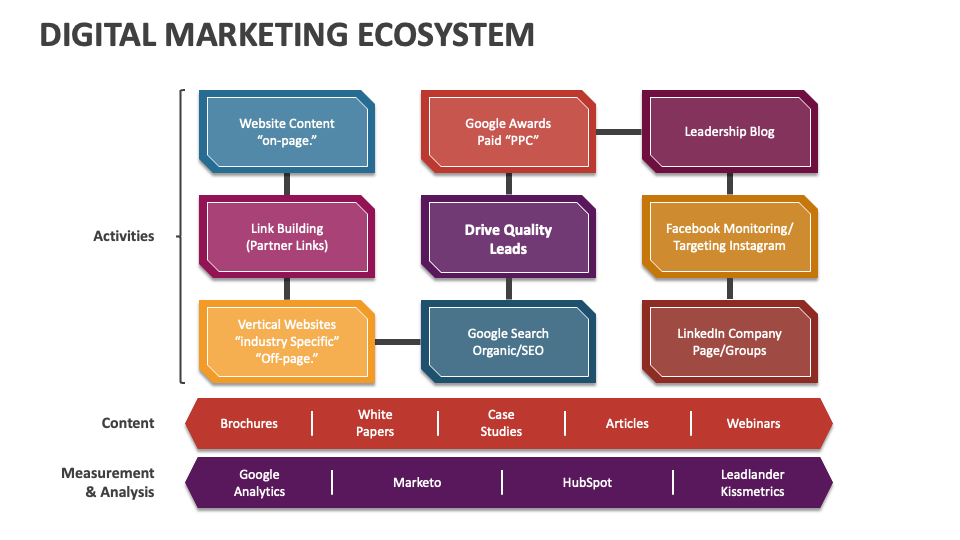
In 2026, content is not just about writing one post or one ad. It’s about repurposing and scaling across platforms.
Use AI to:
-
Convert one blog post into:
-
3 short‑form scripts (for Reels/ Shorts).
-
1 LinkedIn carousel.
-
5 tweet/X posts.
-
1 email newsletter.
-
-
Personalize messaging for different segments (students, small business owners, freelancers).
-
Generate simple visuals (thumbnails, social‑post designs) using AI‑powered tools like Canva’s AI features.
This lets you publish more without burning out, while keeping your brand voice consistent.
5. Focus on Human‑First, Not AI‑First
AI can write fast, but it can’t truly care. The most successful digital marketers in 2026 are those who:
-
Use AI to highlight real human problems (from comments, reviews, surveys).
-
Create empathetic, story‑based content that AI helps refine, not replace.
-
Stay close to their audience: reply to DMs, run small polls, test real reactions.
Your unfair advantage is:
-
Your personal experience as a student and marketer in India.
-
Your understanding of local culture, language mix, and pain points.
-
Your ability to add a human touch to AI‑generated content.
6. Specialize in Performance + AI
Generic “digital marketing” is getting crowded. In 2026, the strongest profiles are performance‑focused specialists who know how to measure ROI and use AI to optimize it.
To position yourself:
-
Choose a niche:
-
“Digital marketing for Indian students / freelancers.”
-
“Performance ads for small businesses.”
-
-
Learn the basics of:
-
Meta Ads & Google Ads.
-
Email marketing and remarketing.
-
Simple analytics (CPC, CTR, ROAS, CAC).
-
-
Use AI to:
-
Generate test ideas.
-
Analyze what works.
-
Suggest budget shifts.
-
Clients don’t just pay for “content.” They pay for results, and AI‑skilled marketers can prove those results faster.
7. Build Your Personal Brand with AI Help
People don’t buy from “companies” anymore; they buy from real people. In 2026, the best digital marketers are micro‑brands in themselves.
Use AI to:
-
Help you write a clean, consistent bio for your blog, LinkedIn, and Instagram.
-
Suggest content ideas based on what’s trending in your niche.
-
Design a simple portfolio website or landing page.
-
Create short success stories or case‑studies (with your own real examples).
Even if your early results are small, AI can help you package and present them in a professional way.