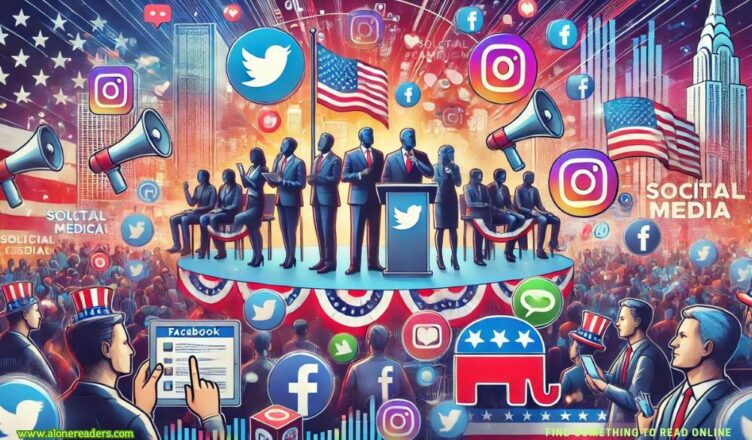
In the modern digital era, social media has become one of the most powerful tools shaping politics across the world. Platforms like Facebook, Instagram, Twitter (X), and YouTube have transformed how political information is created, shared, and consumed. Today, politics is no longer limited to rallies, newspapers, or television debates—it happens in real-time on our mobile screens.
Social media has not only changed communication between politicians and citizens but has also influenced elections, public opinion, and democratic participation.
🌐 Evolution of Political Communication
Traditionally, political communication depended on newspapers, radio, and television. However, social media has revolutionized this system by enabling instant and direct communication. Politicians can now interact with citizens without intermediaries, while voters can express their opinions openly.
Research shows that social media allows users to access, process, and share political information in new ways, making communication faster and more interactive.
📊 Positive Impacts of Social Media on Politics
1. Increased Political Awareness
Social media has made political information easily accessible to everyone, especially youth. People can now stay updated about policies, elections, and global issues instantly.
- Encourages informed decision-making
- Promotes awareness among first-time voters
- Makes complex issues easier to understand
2. Greater Public Participation
Social media encourages citizens to actively participate in political discussions, campaigns, and movements.
- Online petitions and campaigns
- Hashtag movements
- Digital protests
Studies highlight that social media provides a platform for political participation and civic engagement, empowering citizens globally.
3. Direct Interaction Between Leaders and Citizens
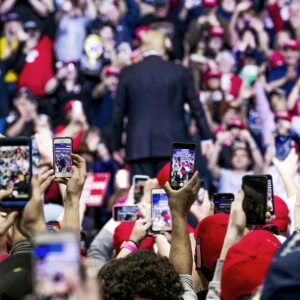
Politicians can now communicate directly with people through live sessions, posts, and comments.
- Reduces communication gap
- Builds transparency
- Helps leaders understand public opinion
4. Effective Political Campaigning
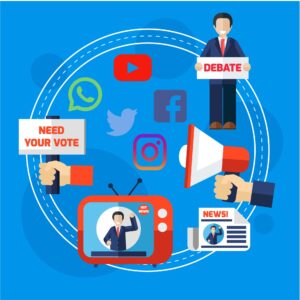
Social media has become a key tool in election campaigns. Political parties use it to:
- Target specific audiences
- Share campaign messages
- Influence voter behavior
In countries like India, social media played a major role in election campaigns, helping parties reach millions of voters quickly.
⚠️ Negative Impacts of Social Media on Politics
1. Spread of Fake News and Misinformation
One of the biggest challenges is the rapid spread of false information.
- Misleading news can influence voters
- Difficult to verify sources
- Can damage reputations
2. Political Polarization

Social media algorithms often show content that matches users’ beliefs, creating echo chambers.
- Increases division in society
- Encourages extreme views
- Reduces healthy debate
Recent studies indicate that algorithm-driven content can deepen political divisions by reinforcing existing opinions.
3.Manupalation and Propaganda
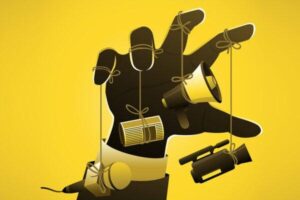
Social media can be used to manipulate public opinion through:
- Paid advertisements
- Bots and fake accounts
- Targeted propaganda campaigns
Research highlights how social platforms can be used for organized political influence and information manipulation.
4. Decline in Quality of Political Discourse
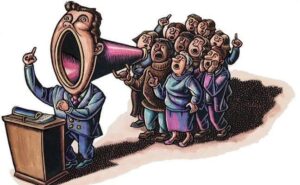
Online political discussions often become aggressive, emotional, or superficial.
- Focus shifts from policies to memes
- Increase in hate speech
- Reduced meaningful debate
A common observation from online discussions is that engagement is often driven by outrage rather than rational debate, making politics more divisive.
📱 Role of Youth in Digital Politics
Youth are the most active users of social media, making them a key political audience.
- They influence trends and opinions
- Participate in activism
- Drive online campaigns
Social media has transformed young people from passive observers into active political participants.
⚖️ Balance Between Opportunity and Risk
Social media is a double-edged sword. While it strengthens democracy by increasing participation, it also poses risks like misinformation and polarization.
Governments, platforms, and users must work together to:
- Promote digital literacy
- Verify information before sharing
- Encourage respectful discussions
📝 Conclusion
The impact of social media on politics is profound and undeniable. It has democratized information, empowered citizens, and transformed political communication. However, it has also introduced challenges that can weaken democratic systems if not managed properly.
In conclusion, social media is not inherently good or bad—it depends on how it is used. If used responsibly, it can strengthen democracy; if misused, it can create division and misinformation.