📌 Introduction
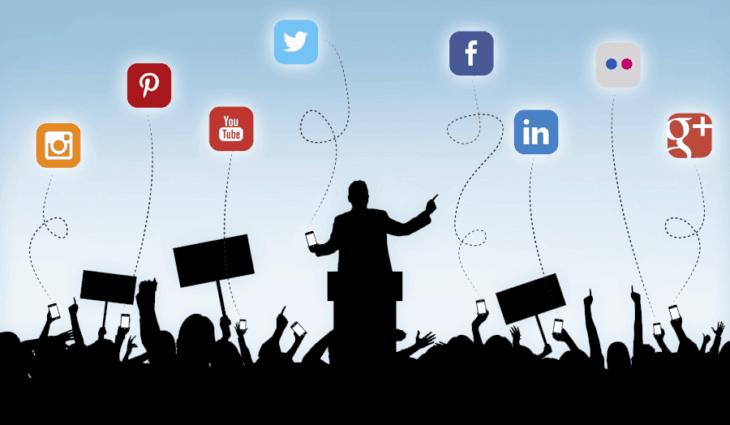
Politics has undergone a dramatic transformation in the 21st century. What once relied heavily on rallies, door-to-door campaigns, and television debates has now shifted to screens, hashtags, and viral content. Social media platforms have turned politics into a fast-paced, highly interactive space where ideas spread within seconds.
Today, political success is not just about gaining votes—it’s also about going viral. The phrase “From Votes to Viral” perfectly captures how digital platforms have redefined political communication and public engagement.
🌐 The Digital Shift in Politics

The rise of social media platforms like Facebook, Instagram, X (Twitter), and YouTube has changed how political messages are delivered. Politicians and parties now communicate directly with the public without relying solely on traditional media.
- Campaign messages reach millions instantly
- Real-time updates keep citizens informed
- Two-way communication allows feedback and interaction
This digital shift has made politics more accessible, especially for young voters who spend a significant amount of time online.
📱 The Power of Viral Content

In today’s political landscape, virality equals visibility. A single post, meme, or video can influence millions of people.
- Hashtags can start nationwide movements
- Short videos simplify complex political ideas
- Memes make political content engaging and relatable
Viral content helps politicians connect emotionally with audiences, making their message more memorable and impactful.
🧑🤝🧑 Rise of Online Political Participation

Social media has empowered citizens to actively participate in politics.
- People share opinions, comment, and debate
- Online petitions and campaigns gain traction quickly
- Youth play a major role in spreading awareness
This has turned passive viewers into active participants, strengthening democratic engagement.
📊 Targeted Campaigning and Data Analytics

Political campaigns today use data-driven strategies to influence voters.
- Personalized advertisements based on user behavior
- Audience segmentation for better outreach
- Analytics to track engagement and effectiveness
This makes campaigning more efficient but also raises concerns about privacy and manipulation.
⚠️ Challenges of Digital Politics
1. Spread of Misinformation
False information spreads faster than ever, making it difficult for people to distinguish between truth and propaganda.
2. Political Polarization
Social media often creates echo chambers where people are exposed only to similar opinions, increasing division in society.
3. Decline in Healthy Debate
Online discussions sometimes turn into arguments filled with hate speech, reducing the quality of political discourse.
4. Manipulation and Propaganda
Political groups may use fake accounts, bots, and targeted ads to influence public opinion unfairly.
🎯 Role of Youth in Viral Politics

Young people are at the center of this digital revolution.
- They create and share viral content
- Influence trends and political narratives
- Actively participate in online activism
Social media has given youth a strong voice, making them key players in modern politics.
⚖️ Striking a Balance

While social media offers many opportunities, it also comes with responsibilities.
- Users should verify information before sharing
- Platforms must regulate harmful content
- Governments should promote digital literacy
A balanced approach is necessary to ensure that social media strengthens democracy rather than harms it.
📝 Conclusion
The journey from votes to viral reflects the evolution of politics in the digital age. Social media has made politics more dynamic, inclusive, and immediate. It has empowered citizens, amplified voices, and transformed campaigns.
However, the same power can also lead to misinformation, division, and manipulation if not used responsibly. In the end, social media is a tool—and its impact on politics depends on how wisely it is used by both leaders and citizens.