1. What is Customer Psychology?

Customer psychology draws from Psychology, especially areas like Behavioral Economics and Consumer Behavior.
It focuses on:
- Emotions (how customers feel)
- Perceptions (how they interpret value)
- Motivation (why they want something)
- Decision-making (how they choose)
🎯 2. Key Factors That Influence Customer Behavior
A. Emotional Triggers

People often buy based on emotion first, then justify with logic.
- Happiness → buying luxury items
- Fear → buying insurance, security products
- Belonging → buying trendy brands
Example: Ads that show family bonding create emotional attachment to products.
B. Cognitive Biases (Mental Shortcuts)
:max_bytes(150000):strip_icc()/what-is-a-cognitive-bias-2794963_V1-a96938160eea438cb3b5e2ed9f20cee0.png)
Customers use quick judgments instead of deep thinking. These are explained in Thinking, Fast and Slow.
Common biases:
- Anchoring Effect: First price seen affects perception
- Scarcity Effect: “Only 2 left!” increases urgency
- Social Proof: “10,000 people bought this”
C. Perception of Value
Value ≠ price. It’s what customers think they’re getting.
Example:
- ₹999 feels cheaper than ₹1000 (pricing psychology)
- Premium packaging makes a product seem higher quality
D. Motivation & Needs

Based on Maslow’s Hierarchy of Needs:
- Basic needs (food, safety)
- Social needs (belonging)
- Esteem (status, respect)
- Self-actualization (personal growth)
Businesses target different levels depending on their product.
E. Trust and Brand Loyalty
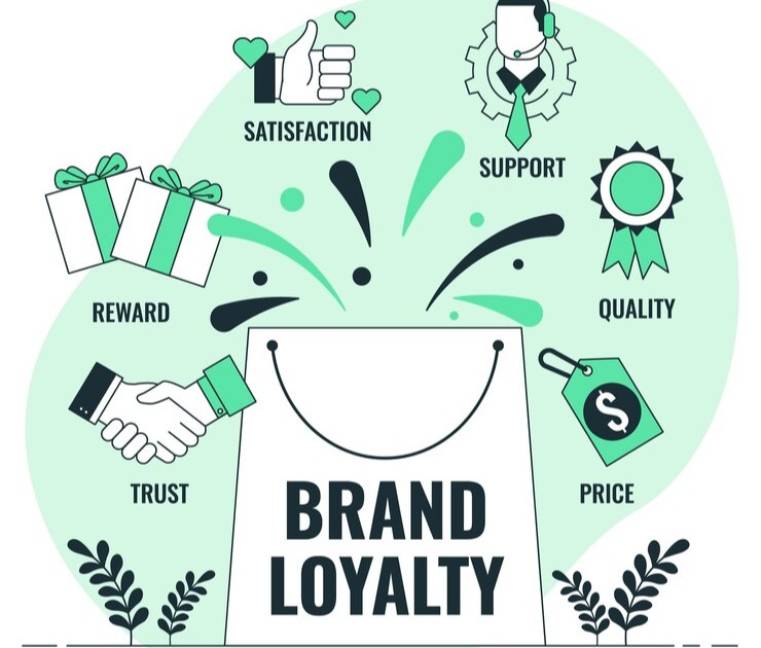
Trust is one of the strongest drivers of repeat purchases.
Factors that build trust:
- Consistency
- Transparency
- Reviews and ratings
- Good customer service
🛒 3. The Customer Decision-Making Process
1. Problem Recognition
Customer realizes a need
→ “I need a new phone”
2. Information Search
They explore options
→ Google, reviews, social media
3. Evaluation of Alternatives
Compare brands, prices, features
4. Purchase Decision
Final choice is made
5. Post-Purchase Behavior
Satisfaction or regret influences future buying
🧩 4. Psychological Principles Used in Business
1. Social Proof
People follow others’ actions.
- Reviews
- Testimonials
- Influencers
2. Scarcity & Urgency
Limited-time offers increase conversions.
- “Sale ends tonight”
- “Only 3 seats left”
3. Reciprocity
When businesses give something free, customers feel obligated to return the favor.
- Free samples
- Free trials
4. Authority
Customers trust experts or well-known figures.
- Certifications
- Expert endorsements
5. Framing Effect
How information is presented affects decisions.
- “90% fat-free” vs “10% fat”
🎨 5. Role of Branding in Customer Psychology
Strong branding influences perception and emotions.
Example:
- Apple Inc. → innovation, premium feel
- Nike → motivation, performance
Brand elements:
- Colors (red = urgency, blue = trust)
- Logo recognition
- Taglines
💡 6. Pricing Psychology
Strategies include:
- Charm Pricing: ₹499 instead of ₹500
- Decoy Pricing: Add a third option to influence choice
- Bundle Pricing: “Buy 2 get 1 free”
📱 7. Digital Customer Psychology
Online behavior adds new factors:
- Short attention spans
- Influence of UI/UX design
- Instant gratification (fast delivery, quick loading)
Example:
- One-click purchase reduces friction
- Personalized recommendations increase sales
⚠️ 8. Common Mistakes Businesses Make
- Ignoring emotional factors
- Overloading customers with choices (decision fatigue)
- Lack of trust signals (no reviews, unclear policies)
- Poor user experience
🚀 9. Why Customer Psychology Matters
Understanding customer psychology helps businesses:
- Increase sales
- Build loyalty
- Improve marketing effectiveness
- Create better products